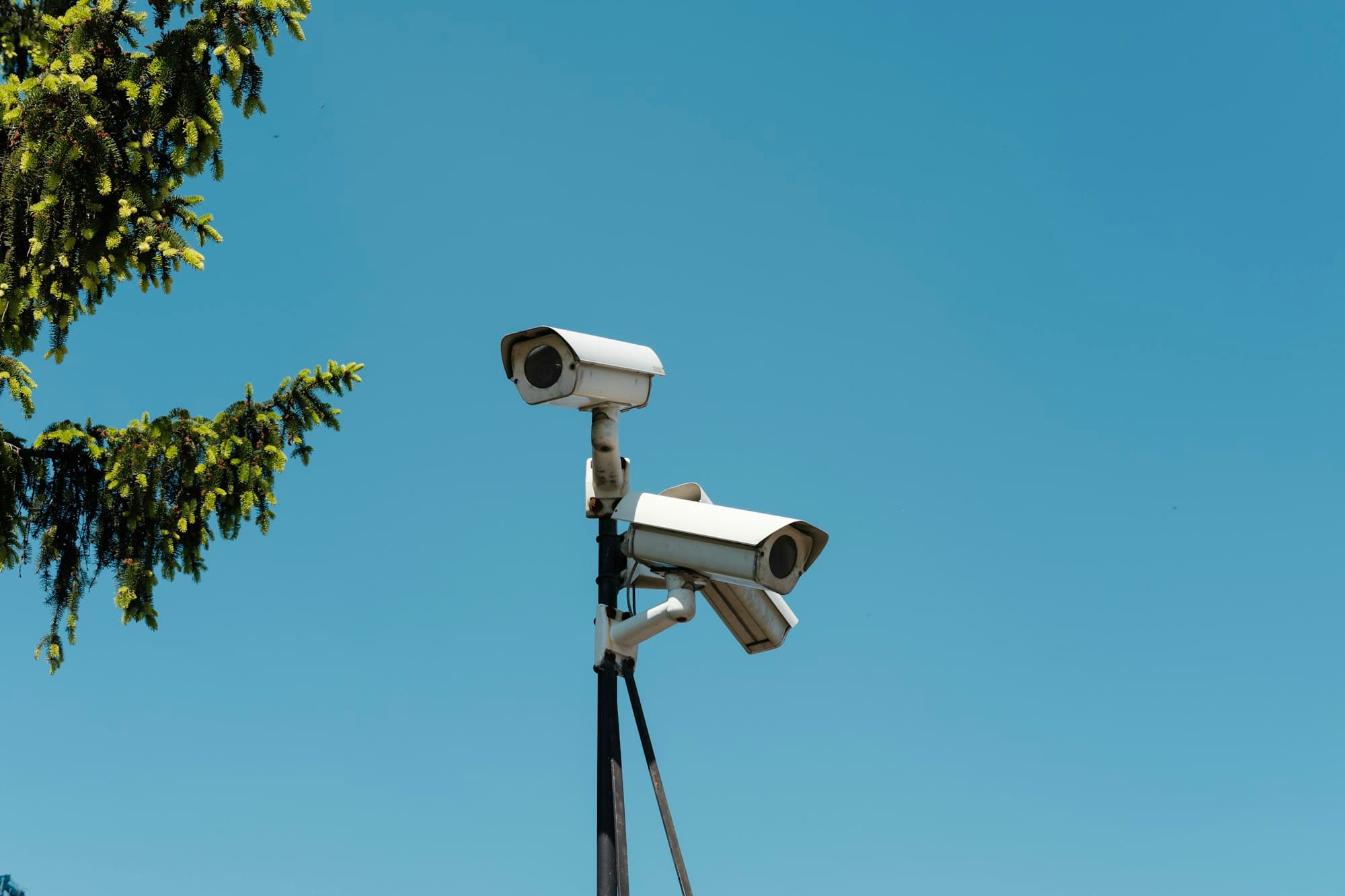
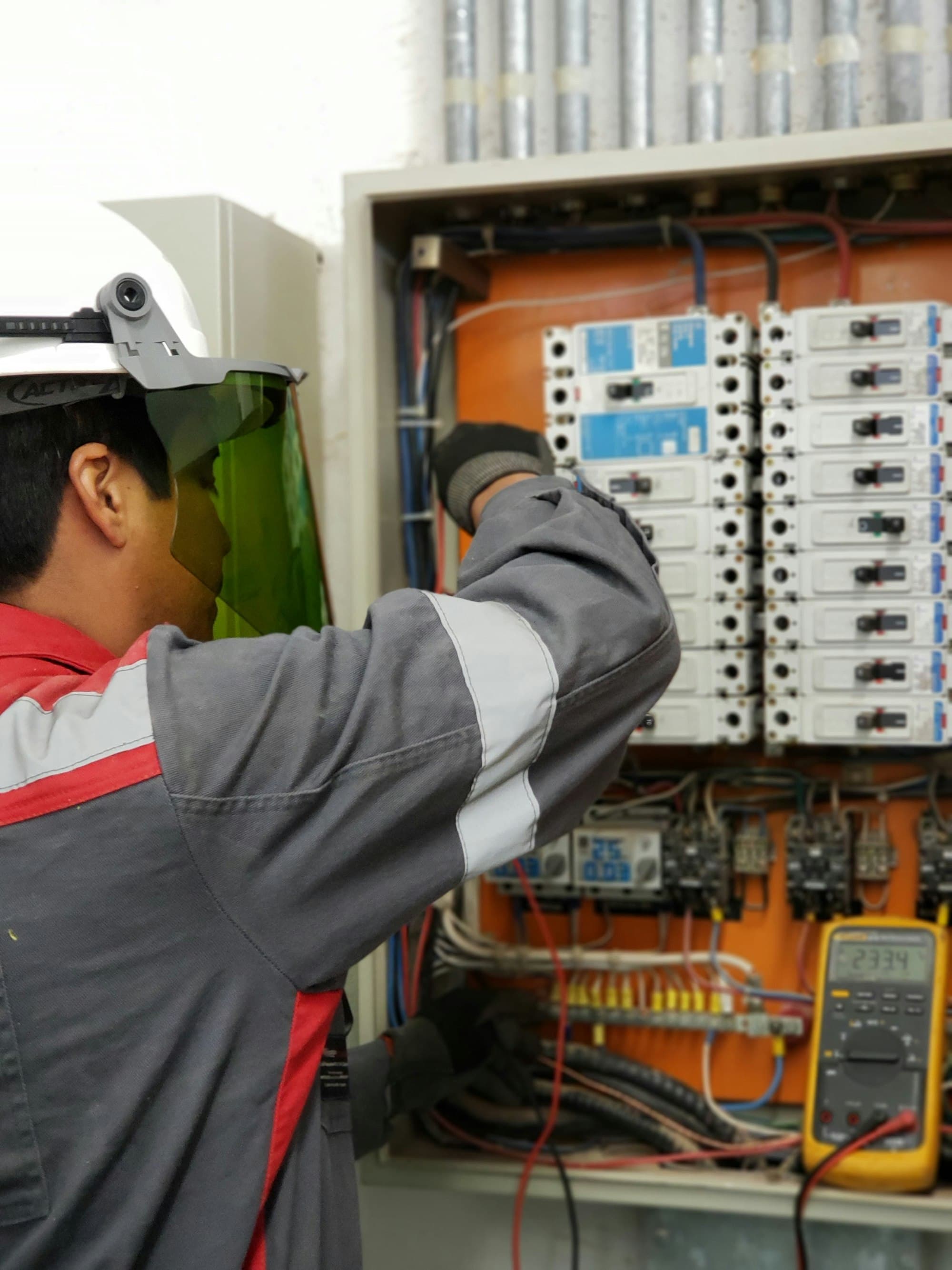
Power outages are a fact of life in many parts of Kenya. They're also when intruders know the lights are off, gates may be manual and — too often — security systems have stopped working. The good news: keeping your security running through an outage is a solved engineering problem.
What usually fails first
- CCTV recorders and cameras switch off immediately without backup, leaving a gap in footage.
- Internet routers go down, so remote viewing and phone alerts stop.
- Electric fence energisers without batteries stop pulsing.
- Automated gates get stuck open or closed.
- Security lighting goes dark.
Building a resilient system
1. Put security on its own protected circuit
Group cameras, recorder, router, alarm panel and fence energiser on a dedicated circuit. That makes backup power simpler, cheaper and more reliable.
2. Size backup power properly
Add up what each device draws and decide how many hours of backup you need. A correctly sized UPS or inverter-and-battery system can keep a typical home security setup running for hours.
3. Use equipment with built-in batteries
Alarm panels and many fence energisers support backup batteries. Make sure they are fitted, charged and replaced on schedule.
4. Add automatic changeover
If you have a generator, an automatic changeover switch restores power to essential circuits within seconds — nobody has to go outside in the dark.
5. Protect against surges
Power often returns with spikes that damage electronics. Surge protection at the distribution board and at sensitive equipment prevents expensive failures.
Test it before you need it
Switch off the mains deliberately and check what keeps working, and for how long. Batteries degrade over time, so repeat the test every few months.
One team for power and security
Because Geovolt has electrical and electronics engineers in the same team, we design security and backup power together. See our electrical services or talk to us about making your system outage-proof.