“How many cameras do I need?” is the first question most people ask about CCTV — and the honest answer is that it depends on what you need to see, not on a package size. Here's how we approach it during a site survey.
Start with what you need to prove
Cameras are most valuable when they can identify a person or vehicle, not just show that “someone” was there. So begin with the moments that matter:
- Who came through the gate or front door?
- Which vehicle entered or left the compound?
- What happened at the till, store or stock room?
- Who approached the perimeter wall at night?
Cover the essentials first
Entry points
Every gate, main door and back door should have a camera positioned to capture faces — mounted at a sensible height, not so high that all you see is the top of a head.
Perimeter
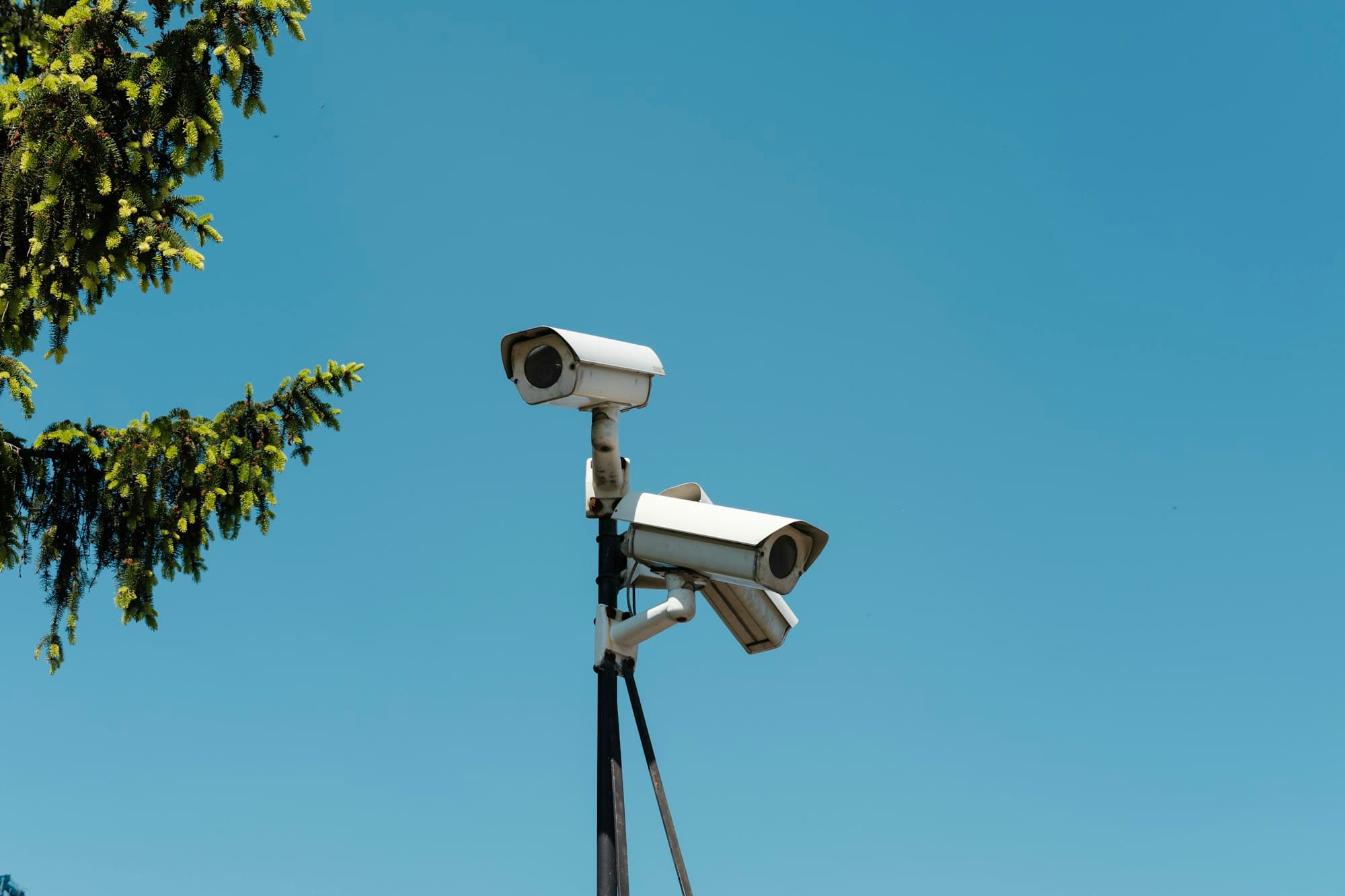
Wide-angle cameras along walls and fences show movement and approach routes. Good lighting or colour night vision makes a big difference here.
High-value areas
Tills, stores, server rooms, parking areas and loading bays deserve dedicated coverage.
A rough guide
- Apartment or small house: 2–4 cameras covering the entrance, parking and any vulnerable windows.
- Standalone home or maisonette: 4–8 cameras covering the gate, perimeter, doors and parking.
- Shop or small office: 4–8 cameras covering entrances, the till and stock areas.
- Warehouse, school or estate: often 16 or more, planned zone by zone.
Don't forget storage and power
Two things are often overlooked. First, storage: more cameras and higher resolution need bigger hard drives to keep the same number of days of footage. Second, power: if cameras and the recorder go off during a blackout, you lose footage at exactly the wrong time. A properly sized UPS or battery backup is essential.
Get a camera plan for your site
Geovolt designs CCTV around your premises and sets up remote viewing on your phone. Request a quote and we'll recommend the right number and type of cameras.